
Myth-Busting: Common Misconceptions About Auditing and Assurance Services


Understanding Auditing and Assurance Services
Auditing and assurance services are vital components of the financial world, yet they are often misunderstood. Many people harbor misconceptions about what these services entail and their significance. Let's delve into some of these myths and shed light on the realities.

Myth 1: Auditing Equals Error Finding
Many believe that auditing is simply about finding mistakes or fraud within a company's financial statements. However, the primary purpose of auditing is to provide an independent assessment of the financial statements' accuracy and adherence to accounting standards. While errors may be identified, auditors focus on ensuring transparency and reliability.
Auditors use a combination of tests and evidence to form an opinion on the financial statements. This process supports stakeholders in making informed decisions based on verified information.
Myth 2: Assurance Services Are Only for Large Corporations
There's a common misconception that assurance services are only necessary for large corporations. In reality, businesses of all sizes can benefit from these services. Small and medium-sized enterprises (SMEs) can leverage assurance services to improve financial reporting and gain credibility with investors and creditors.

Assurance services can help businesses enhance their control environments, streamline processes, and identify areas for improvement, regardless of size.
Myth 3: Auditors Are Responsible for Financial Health
Another prevalent myth is that auditors are responsible for a company's financial health. While auditors provide insights into financial accuracy, management is responsible for the company's financial decisions and performance. Auditors do not create financial statements; they review them to ensure compliance with applicable standards.
- Management: Responsible for financial reporting and decision-making.
- Auditors: Provide an independent opinion on the financial statements.
Myth 4: Audits Guarantee Fraud Detection
While audits can uncover fraudulent activities, they are not designed to detect all instances of fraud. Auditors assess risk and focus on areas where material misstatements might occur, but they cannot guarantee that all fraud will be identified. This is why robust internal controls and ethical practices are crucial within organizations.
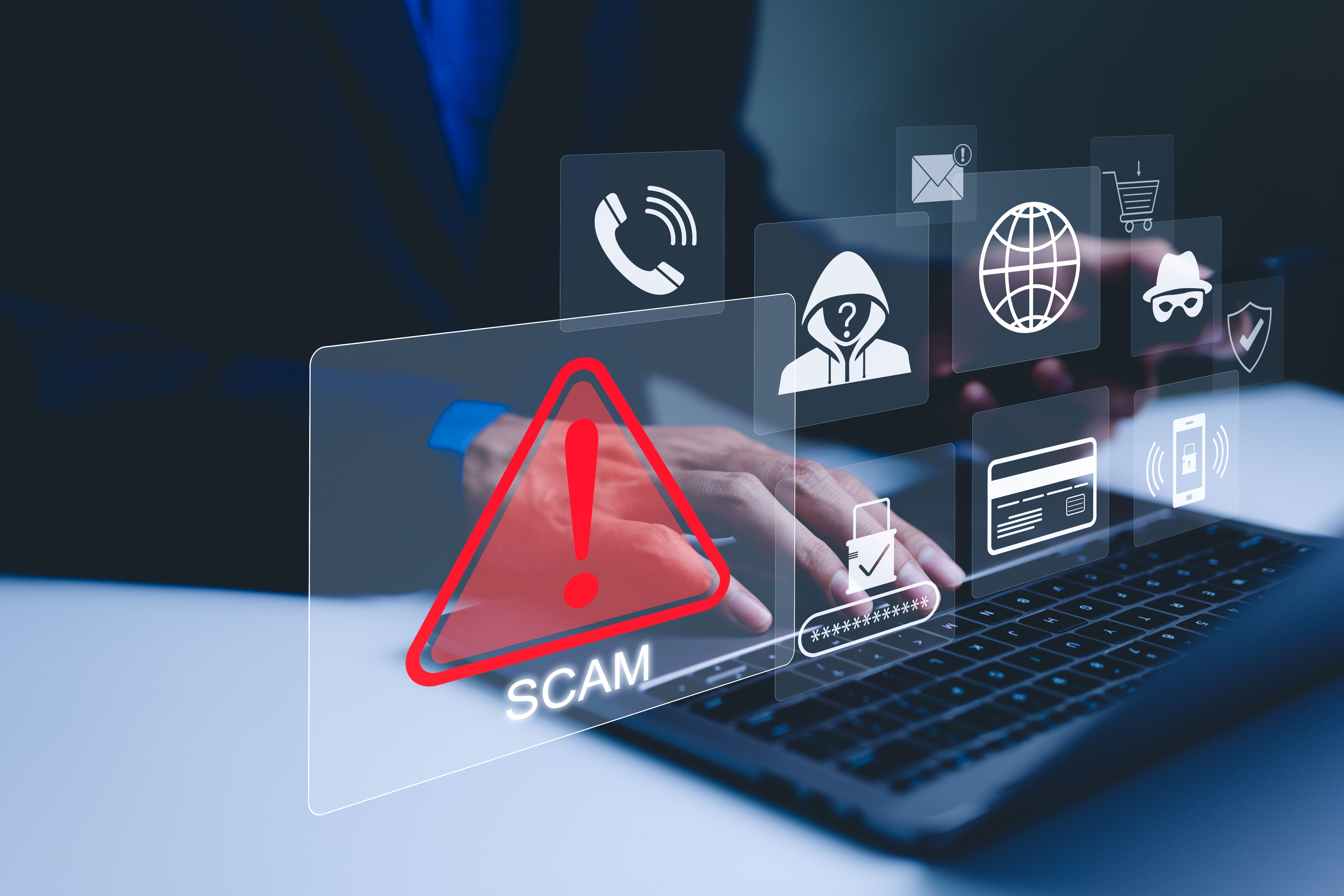
Companies should implement comprehensive risk management strategies and establish a culture of integrity to minimize fraud risks effectively.
Conclusion: The Value of Auditing and Assurance
Understanding the true purpose and scope of auditing and assurance services is essential for businesses and stakeholders. By dispelling these myths, we can appreciate the role these services play in enhancing financial transparency and accountability. Whether you're a large corporation or a small business, embracing these services can lead to more informed decision-making and long-term success.